


Southeast Asia Proves Resilient Amid US Tariffs as Global Supply Chains Shift
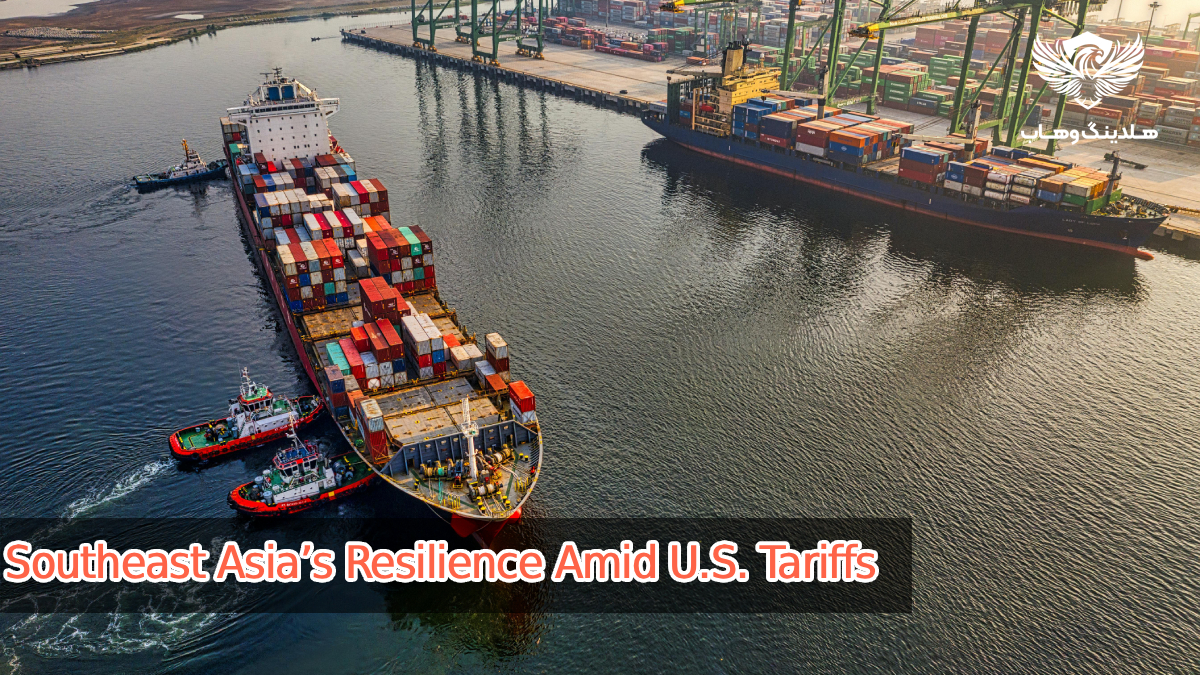
Within a year of returning to office, U.S. President Donald Trump reshaped global trade dynamics through the introduction of sweeping tariffs that came into force on August 1. These measures disrupted long-standing trade relationships built over years of diplomatic negotiations. However, despite the scale of the tariffs, global trade has proven more resilient than initially expected.
According to analysts at Macquarie in their 2026 Global Economic and Market Outlook, the impact of U.S. tariffs has been mitigated by structural shifts in global supply chains. One of the unexpected beneficiaries of this realignment has been Southeast Asia.
A key factor behind this resilience has been the growing use of transshipment by Chinese exporters. To reduce tariff costs, many exporters rerouted goods through ASEAN countries before shipping them to the United States. As a result, goods that would have faced tariffs as high as 40% when shipped directly from China entered the U.S. under significantly lower tariff rates when routed through Southeast Asia.
This shift became evident in 2025, when U.S. imports from China declined sharply, while imports from ASEAN countries increased. Average tariff rates on ASEAN-origin goods were estimated at around 10%, compared with much steeper duties on Chinese exports.
At the same time, the United States moved to diversify its supply chains by strengthening trade ties with Southeast Asia. The Trump administration concluded trade agreements with Thailand, Malaysia, Cambodia, and Vietnam, while reaffirming America’s long-term commitment to the region. Two-way trade between the U.S. and Southeast Asia reached a record $453 billion in 2024.
China, meanwhile, has also sought to deepen its economic engagement with the region. At the ASEAN summit in Kuala Lumpur, Beijing signed an upgraded Free Trade Agreement with ASEAN (ACFTA 3.0), reinforcing its position as Southeast Asia’s largest trading partner.
These parallel efforts by both the United States and China have translated into steady economic growth across the ASEAN region. According to Maybank’s ASEAN Macro 2026 Year Ahead report, ASEAN’s economic growth reached 4.8% in 2025, largely unchanged from the previous year. Analysts noted that uncertainty surrounding tariffs has eased, as negotiations with Washington resulted in tariff rates significantly lower than initially threatened.
Furthermore, exemptions granted to key sectors such as electronics, pharmaceuticals, energy, and minerals helped soften the overall impact of U.S. tariffs on Southeast Asian economies.
Overall, the experience of Southeast Asia highlights a broader reality of global trade: while tariffs can alter trade patterns, they do not halt trade altogether. Instead, they accelerate the reconfiguration of supply chains, often creating new opportunities for adaptable economies.